
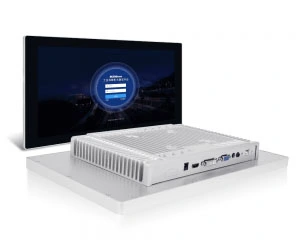
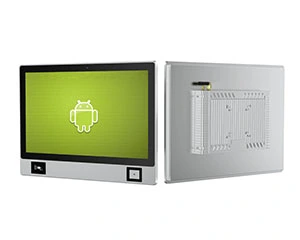
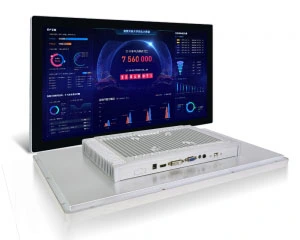
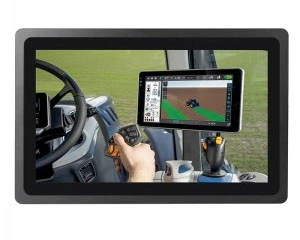
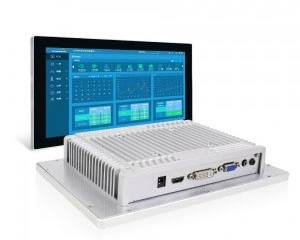
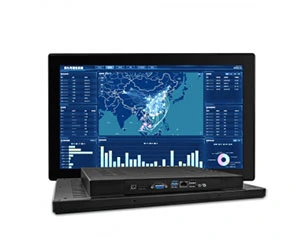
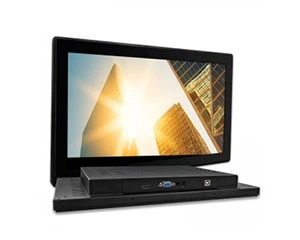
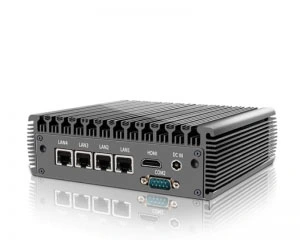
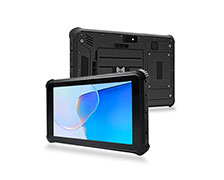
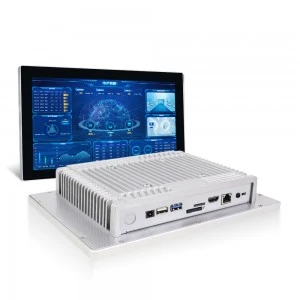
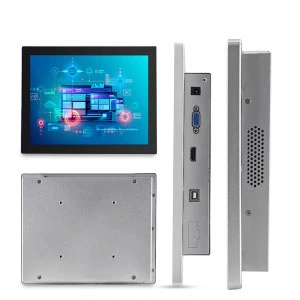
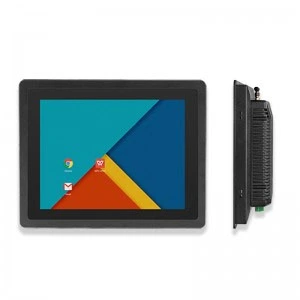


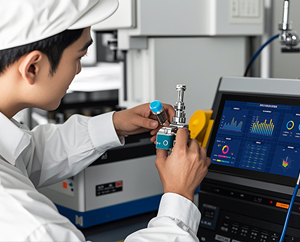





When walking onto a production floor, one can see how the automation works seamlessly. In a matter of milliseconds, different machines communicate with one another. Control panels instantly respond and data is sent and received from different sensors to a centralized data receiving and processing computer system. Industrial computers are the ones who execute commands, control and monitor all the inputs, and keeps the system stable and working 24/7.
Therefore, it is important to choose the right industrial computer company. The industrial computer company can either positively or negatively impact the uptime of the industrial computer, employee safety, and the long-term operating costs. For businesses looking to solve the issues on the website gdcompt.com, the research and selection process should be practical as well as structured.
Look for Industrial Knowledge and Experience
Identify whether or not the company has specialized industrial computing. Some IT vendors are general ones and modify their systems for factory contexts. Industrial computer companies from the place of construction, and use of industry automation, transportation, and energy and manufacturing for their products, and establish, for example, components that are lifecycle extended, and with reinforced structures and stable performance, during continuous operation. Such a focus on different areas of design is an important factor in determining the reliability of the final product.
Assess Industry Knowledge and Demonstrated Case Studies
Manufacturing history exemplifies experience. Knowledge that spans several industries highlights understanding of environmental stressors and integration obstacle concerns. Real world engagements and client cases provide insight into demonstrated instances of proven experience which is characterized by:
· Extensive backgrounds of engineering and manufacturing automation systems
· Installations where extreme temperature and vibration conditions exist
· Partnerships and collaborations with system integrators and OEMs
· Real world applications provide insight into design engineering for practical and applied experience.
Assess Product Breadth and Growth Potential
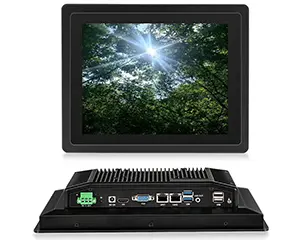
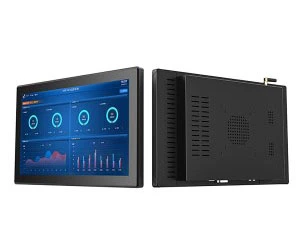
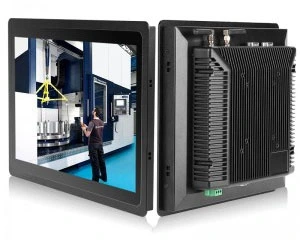
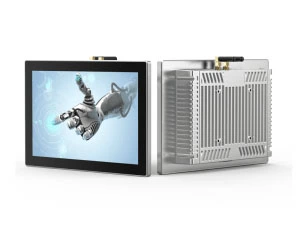
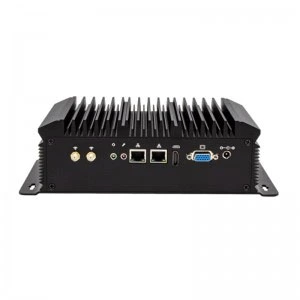
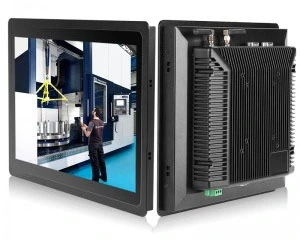
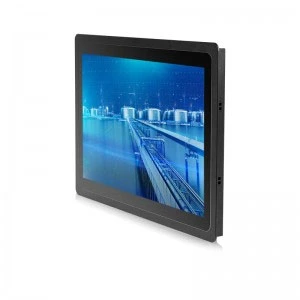
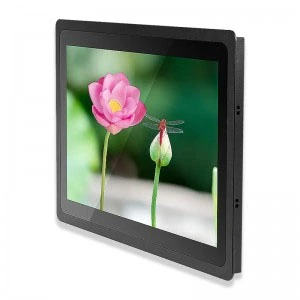
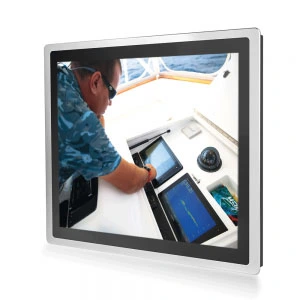
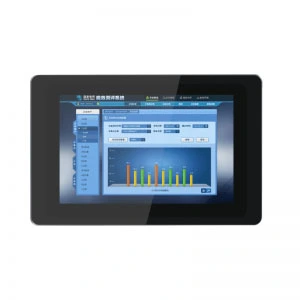
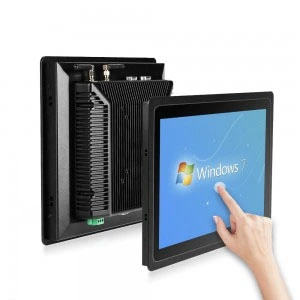
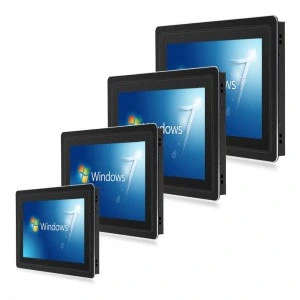
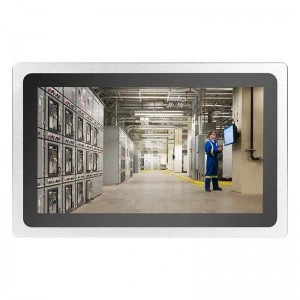
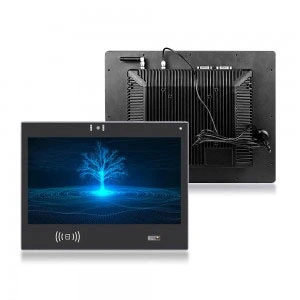
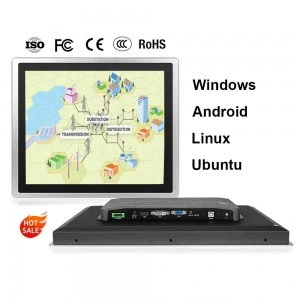
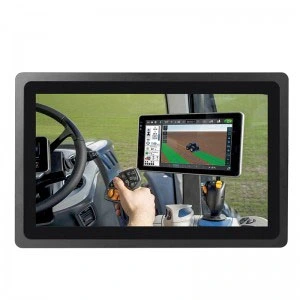
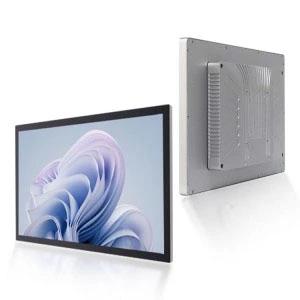
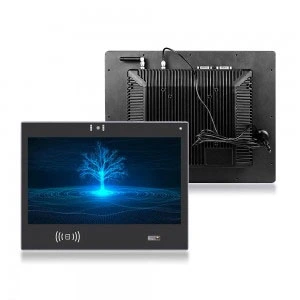
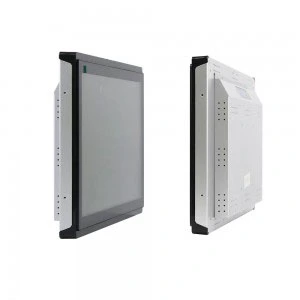
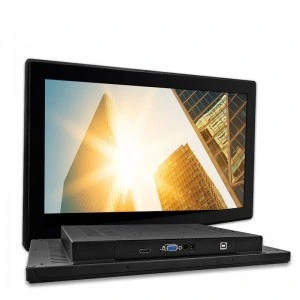
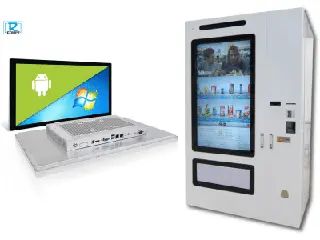
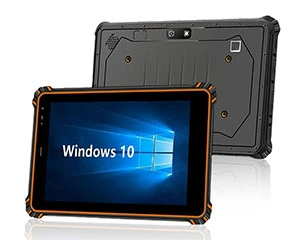
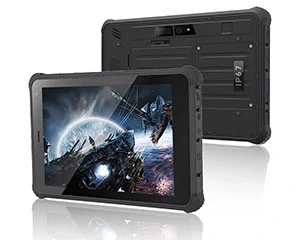
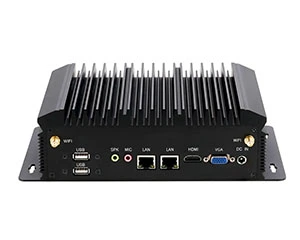
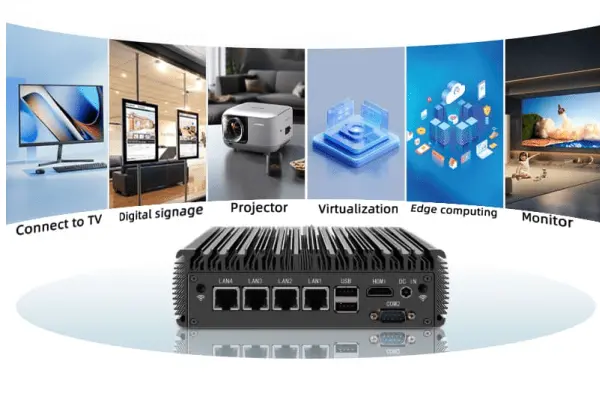
The requirements for industrial computing vary greatly. There are some facilities where embedded box PCs are used and installed inside control cabinets. In other cases, industrial panel PCs are used and directly integrated into equipment, while for extensive and large operations, centralized data processing is done using rackmount industrial computers. The better industrial computing companies provide and give several configurable and scalable options while meeting the needs and requirements of the current system so as to provide growth and expansion.
Hardware Reliability and Structural Design
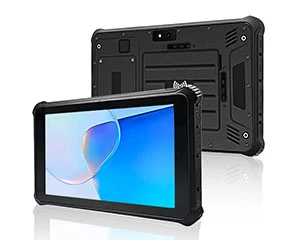
Industrial settings subject their components to extreme mechanical wear and tear. From vibrations that propagate through the mounting frameworks, and dust that accumulates in minute crevices, to heat that builds-up inside the casing. Hardware should endure the working conditions without compromise.
Assess the materials used for casing, ingress protection (IP) rating, and cooling design. In addition to their design, the thermally managed, fanless designs reduce the probable mechanisms of failure to the cooling system. The use of solid aluminum and reinforced steel for the structure increases the casing to endure abuse from mechanical systems, as well as minimizes the support structure’s rehabilitation cycles.
Parts Quality and Lifecycle Certainty
Internal components influence reliability over an extended term. Processors, RAM, and storage units classified as industrial grade have defined life cycles. Reliability to source a component ensures that a production series will be mechanically coordinated. An industrial computer company exercises firm meticulous record preservation and active supply chain transparency. Controlled component supply should protect the system from uncalculated redesign expenses.
Evaluation of Certification and Quality Assurance
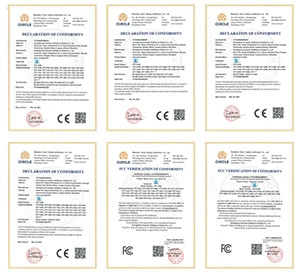
Manufacturing quality that meets international standards showcases the company’s commitment to quality control. Certificates of compliance such as, CE, FCC, and RoHS, with other regulations, show compliance with quality control of safety and environment. Internal manufacturer quality control, through testing, also counts. Reliable manufacturers usually complete:
Thermal steady state testing Continuous load testing Vibration and shock testing Reliability testing for power supply stability Electromagnetic Compatibility (EMC) testing Reliability testing by the manufacturer that results in documented quality control is confidence in the system’s reliability over the life.
Customization and Engineering Support
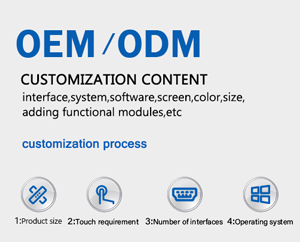
There are typically no off-the-shelf solutions for industrial projects. You may have a need for additional serial ports, specific communication protocols, GPU-enabled processing, or displays of a particular size. Good industrial computer manufacturers offer engineering design support during the specification phase. Custom-designed systems are more compatible with PLCs, sensors, and automation software, reducing installation time and post-deployment compatibility challenges.
Software Compatibility and Integration
The potential for success goes beyond the stability of the hardware. Industrial computers must also be compatible with the OS and industrial control software. To this end, manufacturers must evaluate how industrial computers work natively with Windows, Linux, or any required OS. They must also identify supported communication protocols, especially Modbus, CAN, and Ethernet. Manufacturer-provided integration helps to minimize deployment time and improve system reliability.
Technical Assistance and Post-Sales Services
Production downtime caused by unexpected behavior of a system can be costly, and so can the production time lost due to system downtime. In such cases it is important to have reliable technical support.
A professional industrial computer manufacturer will have well-defined warranty support, easily accessible engineering support, and documented support. A commitment to the customer’s continued operation is also reflected in the long-term availability of spare parts and replacement firmware.
Evaluate the Total Cost of Ownership
When making a purchase decision, consider all potential costs, not just the initial purchase price. Industrial computers are designed to run continuously for years. Costs are associated with system downtime, the need for frequent maintenance, and energy usage.
Systems of higher quality typically involve fewer repairs and longer service intervals. Total Cost of Ownership (TCO) calculates the higher initial expense (less frequent repairs) against the lower operating costs (less downtime, less energy) to yield a stronger value proposition.
Making a Decision with Certainty
Deciding on an industrial computer supplier must be done systematically, looking into factors such as:
· specialization in your type of need
· years of experience
· breadth and depth of the product offering
· quality of the build
· stability of the product offering over the lifecycle
· compliance with industry certifications
· ability for product customization
· post-sale service including
· product integration support
· product lifecycle support.
All of the above factors are directly tied to the operational stability of the end user. Businesses looking for industrial computing solutions via gdcompt.com should prioritize thinking about how the required system will integrate into the production system of the user.
Industrial computers are the nerve centers of the automated systems and industrial process control systems. They control the flow of data, the operation of machines, and the operation of processes. A modular and well-engineered system is a key contributor to efficiency and minimizes the risks.
Conclusion
The right industrial computer manufacturer will be the supplier of the systems, technology, and systems software for long-term industrial sustainability. The ten steps above will provide a basis for systematically assessing a computer partner on reliability, operational efficiency, and the ability to support growth over the long term.

Penny
Web Content Writer
4 years of experience
This article is edited by Penny, the website content writer of COMPT, who has 4 years working experience in the industrial PCs industry and often discusses with colleagues in R&D, marketing and production departments about the professional knowledge and application of industrial controllers, and has a deep understanding of the industry and products.
Please feel free to contact me to discuss more about industrial controllers. sales@gdcompt.com


