







Choosing computers for factories or worksites requires careful consideration. These computers are not for gaming or schoolwork; they are for running machines and assisting with job tasks. Two types of computers designed for rugged environments are rugged tablets and industrial panel PCs. While both are built to withstand challenging conditions and environments, they have different use cases. This guide will help clarify what each type of computer is, how each functions, and which is more suitable for specific tasks.
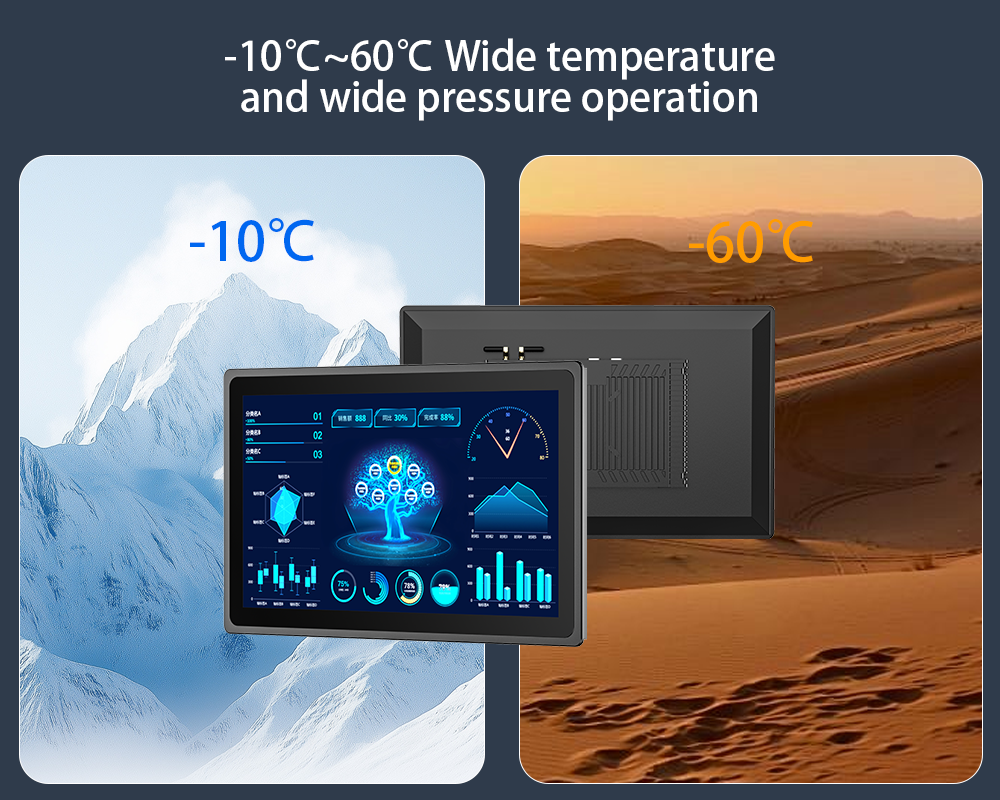
What is an Industrial Panel PC?
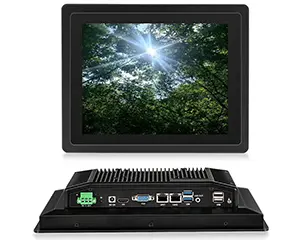
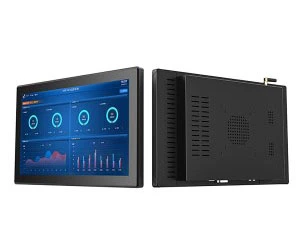
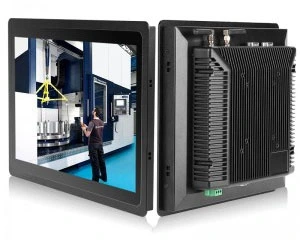
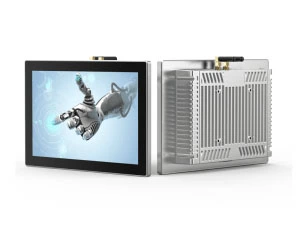
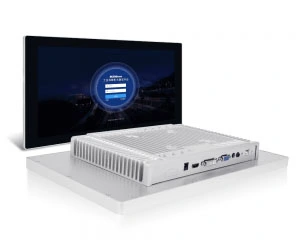
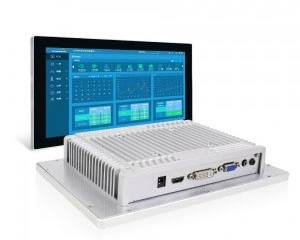
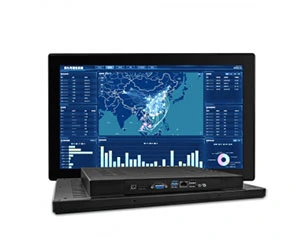
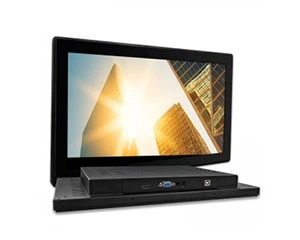
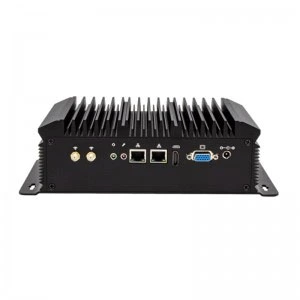
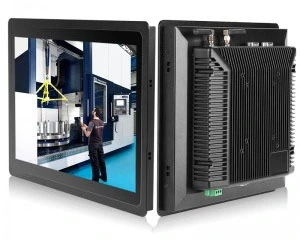
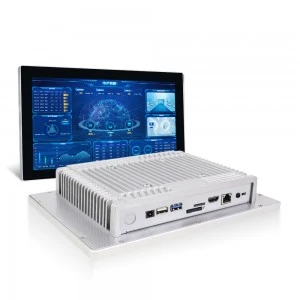
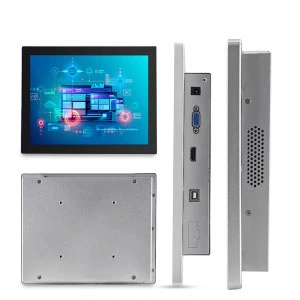
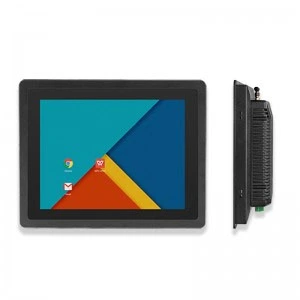
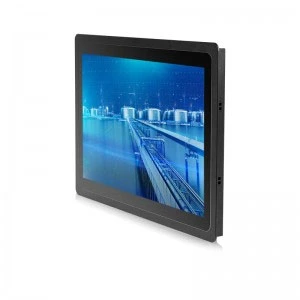
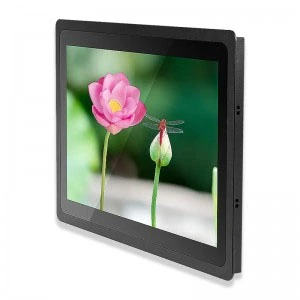
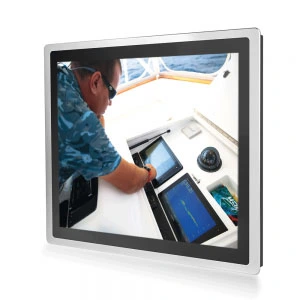
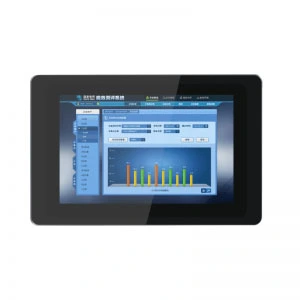
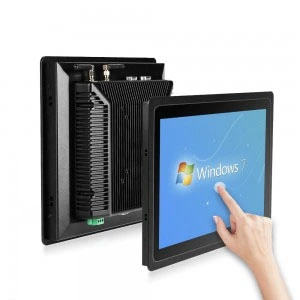
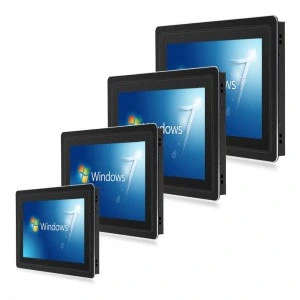
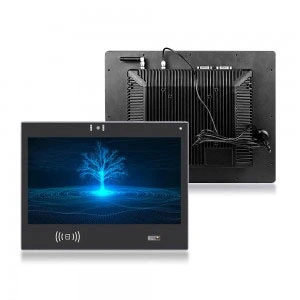
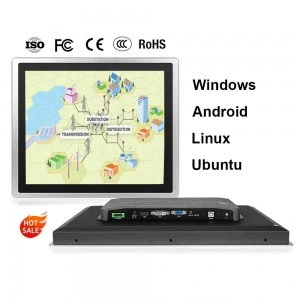
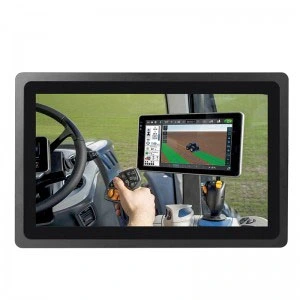
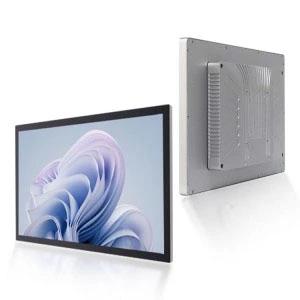
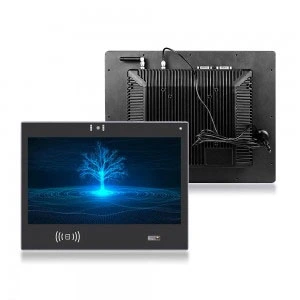
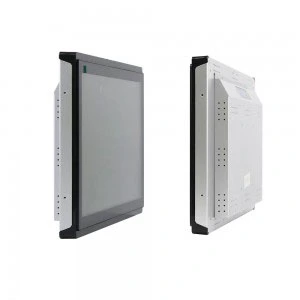
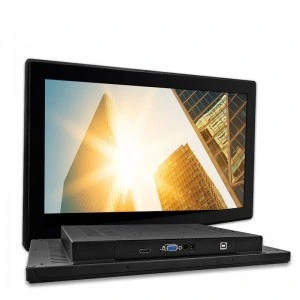
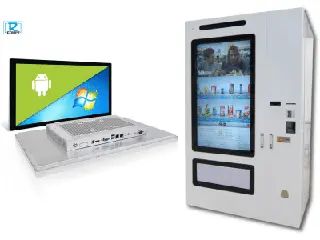
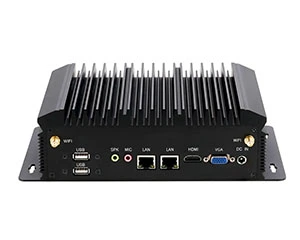
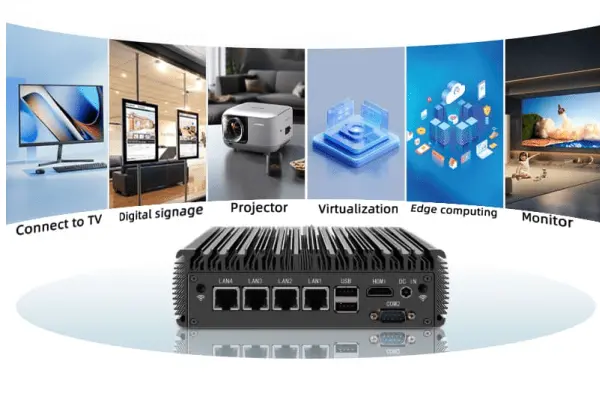
An industrial panel PC is a type of computer that is all-in-one with a built-in screen. These computers are usually mounted permanently to a wall, a machine, or a control panel and once they are set up, they stay that way.
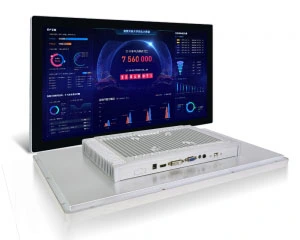
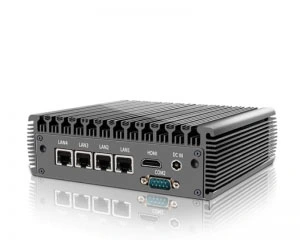
Industrial Panel PCs are made to run 24/7. The enclosure does not have a fan, and is therefore less likely to have dust get inside. Industrial panel PCs are also mounted to factory machines, so they are wired together. Factory workers use industrial panel PCs to monitor and control the machines, and to monitor status and parameters.
What Is a Rugged Tablet?
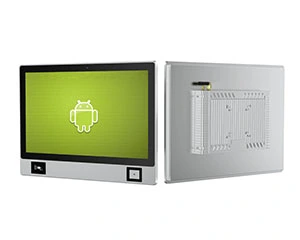
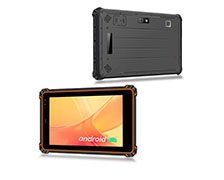
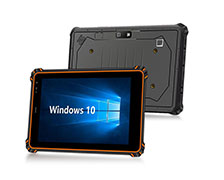
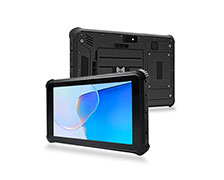
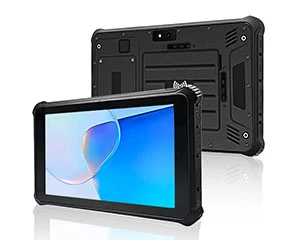
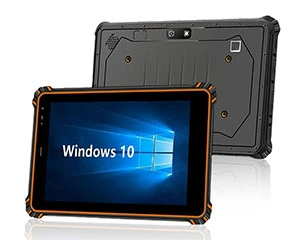
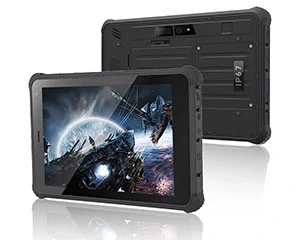
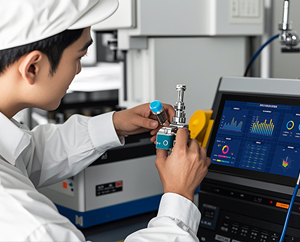
A rugged tablet is a special type of tablet that is built to last. They are more durable than standard tablets. They can endure drops, spills, and rough treatment. They are portable, so employees can take them anywhere.
These tablets are perfect for employees who work in the field. Inspectors, managers, and maintenance workers use them while on the move in factories or construction sites. They are ususally use wireless internet.
The Biggest Difference Between Them
-
The biggest difference is portability.
-
Rugged tablets are designed to be portable. You can take them anywhere.
-
Industrial panel PCs are designed to be more permanent.
As a result, each is more suited for a different type of job. Tablets are better for the job of collecting data while walking. Panel PCs are more suited for the job of controlling stationary machines that operate continuously.
Where Rugged Tablets Work Best
Rugged Tablets are most practical for jobs that require a lot of walking. They are primarily used for.
-
Data collections
-
Equipment maintenance
-
Data documentation
-
Data retrieval while walking
The tablets use a rechargeable battery. Eventually, the batteries will need to be replaced.
Where Do Panel PCs Provide The Most Value
1. Connecting to Machines
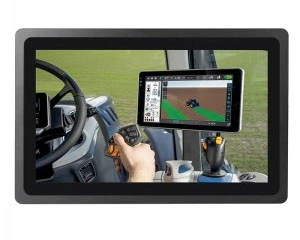
A panel PC is ideal for needs that require perpetual use of a computer, such as running machines, monitoring production lines, controlling factory systems, and displaying real-time information. Reliability is among their primary benefits, as they never stop working.
Reliability is among their primary benefits, as they never stop working. They also are incapable of working autonomously.
2. Power
Power. Panel PCs operate using constant power, the available power of a tablet is limited due to battery needs.
3. Screen and Use
Screen and Use. Panel PCs generally have larger screens that are optimized for displaying more information and data, while tablets are more touch-responsive and offer the ability to be handled more easily.
Which One Saves More Money?
Both can be successful choices, it entirely depends on the use case. Rugged tablets are cheaper, and definitely more suited for mobile jobs, but they are subject to breakage and of course battery replacements. Panel PC’s are more expensive, but their overall operational lifespan, low maintenance needs, and optimized performance for factory use make them the better long term investment.
Which One is Best For Factories?
Most factories will find industrial panel pc’s to be the better option. Computers for machines need to be always on and stay connected. Panel PC’s do that very well.
Rugged tablets do have their merits. Maintenance staff and supervisors often require them while on the move. Many factories utilize both, rather than only one.
What Panel PC’s Do To Improve Factory Workflow
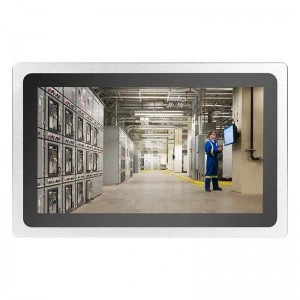
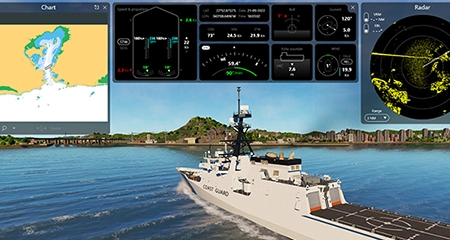
Panel PC’s give workers an overview of everything. They show speed, errors, and alerts on one single screen. They’re touchscreen, making them easy to operate, even for new employees.
Panel PC’s also help managers resolve issues before they become problems that lead to machine malfunctions. This in turn saves operating costs and improves production.
The Process Of Installing Panel PC’s
Companies carefully plan out their installation of panel PC’s. They determine the required power, storage, and software. The majority of panel PC’s operate on either Windows or Linux.
Panel PC’s can be installed on walls, machinery, or panels. After installation, the required software is installed, and the system is tested. Many companies utilize the services of professionals to ensure that everything functions correctly.
The Evolution of Panel PCs
Every year, panel PCs become more advanced. With every new release, new models become faster, and improve network connectivity with the latest Wi-Fi 6 and 5G.
Some models are able to perform tasks in the Wi-Fi and 5G network and perform tasks independently. The capability of processing information independently is known as edge computing. It allows factories to make quick decisions as they do not need to rely on a fa main server to do it.
In the near future, it is likely that panel PCs will continue to integrate more advanced computing, specifically artificial intelligence. Such additions will make it highly likely that machines will become more proactive in preventing issues, optimizing energy consumption, and overall improving productivity.
Conclusion
Rugged tablets and industrial panel PCs are both important tools. Tablets are best for workers who move around. Panel PCs are best for machines that need constant control. Most factories use panel PCs as their main systems and rugged tablets as support tools. When each device is used for the right job, work becomes faster, safer, and more reliable.

Penny
Web Content Writer
4 years of experience
This article is edited by Penny, the website content writer of COMPT, who has 4 years working experience in the industrial PCs industry and often discusses with colleagues in R&D, marketing and production departments about the professional knowledge and application of industrial controllers, and has a deep understanding of the industry and products.
Please feel free to contact me to discuss more about industrial controllers. sales@gdcompt.com


